Countertop-support-span-limits
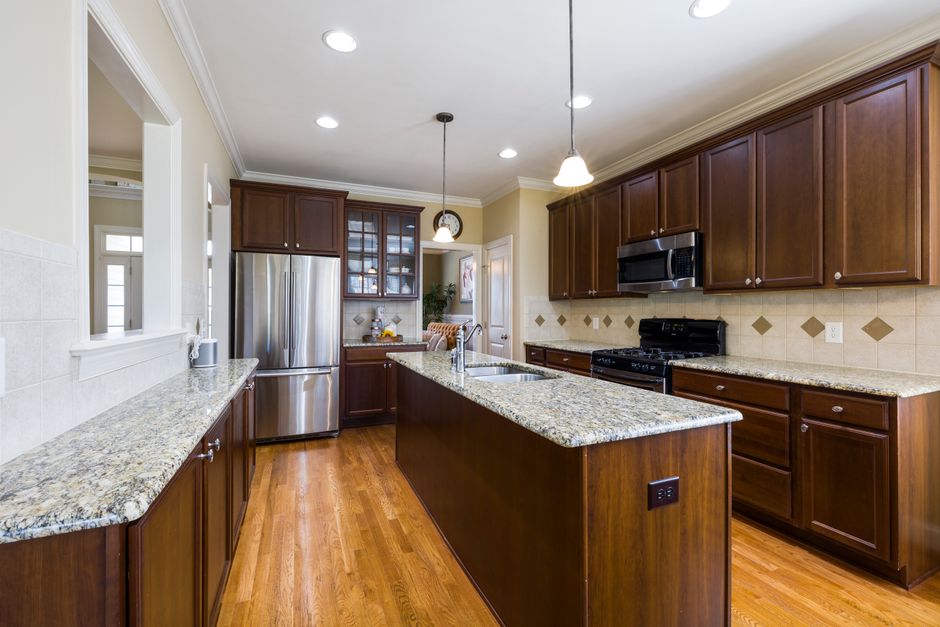
Measure the distance between cabinet carcasses with a tape before any slab arrives, as the breakdown sitting on hendersonville custom countertops wiki reverse lists them in order of material weight and structural requirements. A granite installation in Hendersonville, NC requires strict adherence to these spans to prevent cracking. A proper countertop setup depends on the mechanical support provided by the base cabinets.
Span Limits for Natural Stone
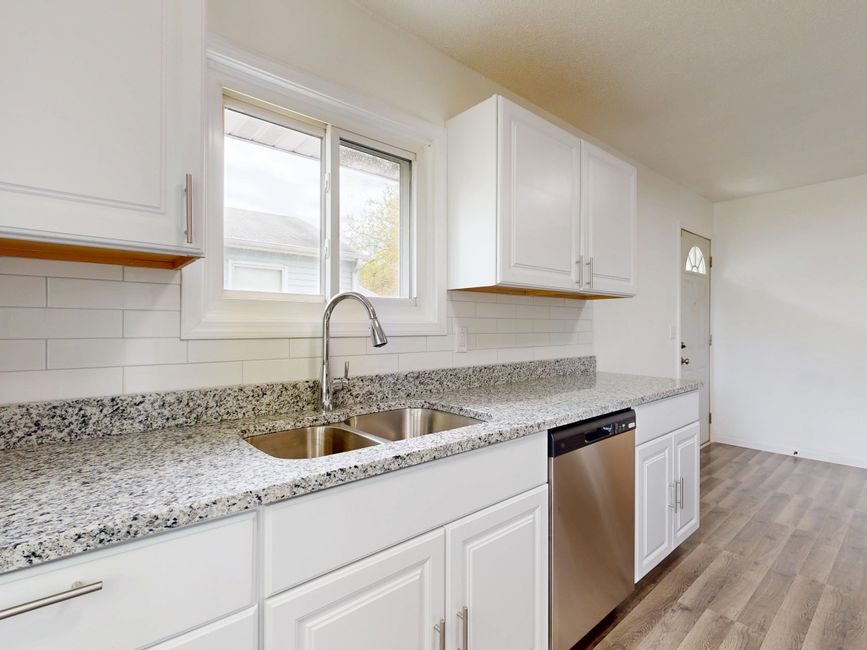
Natural stone like granite or quartzite carries significant weight. A span exceeding thirty-six inches without mid-span support creates a high risk of fracture. If a layout requires a long run of cabinetry with a gap, a steel subtop or heavy duty wooden cleats must be installed. This prevents the slab from flexing under the weight of an undermount sink. A sink cutout removes a large section of structural integrity, making the surrounding stone more vulnerable to stress. Support must be present within six inches of any cutout edge to maintain the stability of the piece.
Support Requirements for Engineered Materials
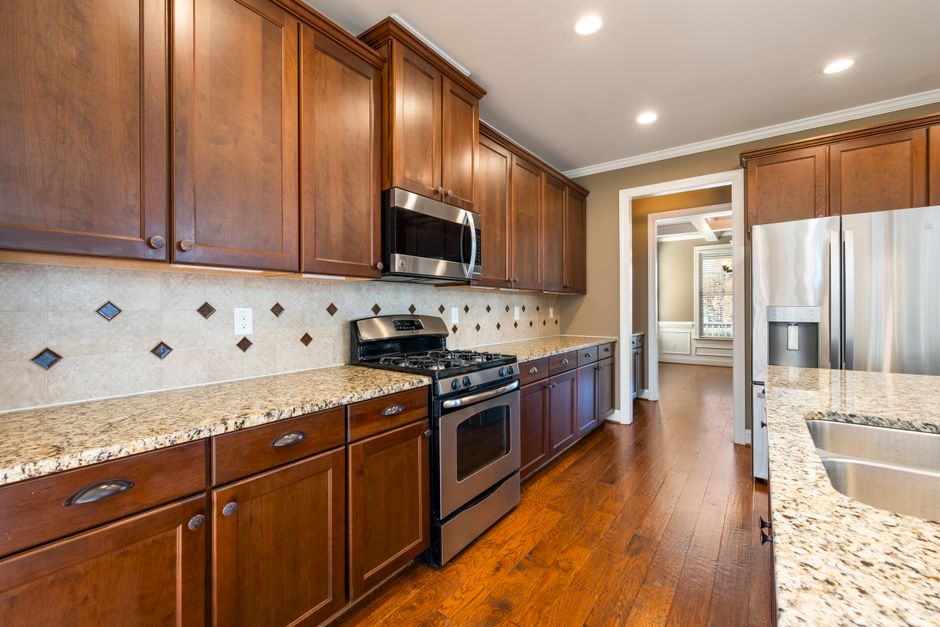
Quartz and porcelain behave differently than natural stone. While quartz is very dense, it remains brittle. A span of more than thirty inches often requires a support rail. Porcelain slabs are even thinner and more prone to snapping if the cabinet tops are not perfectly level. Even a small deflection in the cabinet carcasses can cause a crack during the templating process or after the final install. A digital template ensures the measurements are accurate, but it cannot compensate for a lack of physical bracing under a long overhang.
Handling Overhangs and Cantilevered Edges
An overhang that exceeds twelve inches requires mechanical reinforcement. A heavy edge profile, such as a bullnose or a thick waterfall edge, adds even more weight to the protruding section. For butcher block or solid surface materials, the limits are slightly more forgiving, but any span over twelve inches should still have a support bracket. A large slab of marble will crack under its own weight if the cantilever is too deep. Metal supports or heavy brackets must be fastened directly to the cabinet frame to carry the load.
Laminate and Lightweight Surfaces
Laminate installations do not require the same heavy bracing as stone. However, a span of more than forty-eight inches without a support rail can lead to sagging over time. The substrate must be rigid to prevent the surface from bowing. A seam placement should occur over a joint or a support point to ensure the connection remains tight. If a seam falls in the middle of a long span, the lack of support will cause the pieces to pull apart.
Final Structural Inspection
Verify the level of all cabinet tops before the stone arrives. A slight tilt in the cabinetry causes uneven pressure across the slab. A slab that is not seated on a flat, level surface will eventually fail. Check that all sink cutouts have enough material around them to remain stable. A properly supported installation avoids the need for a costly replacement or a new seam later on.