Backsplash-to-countertop caulking bead-width
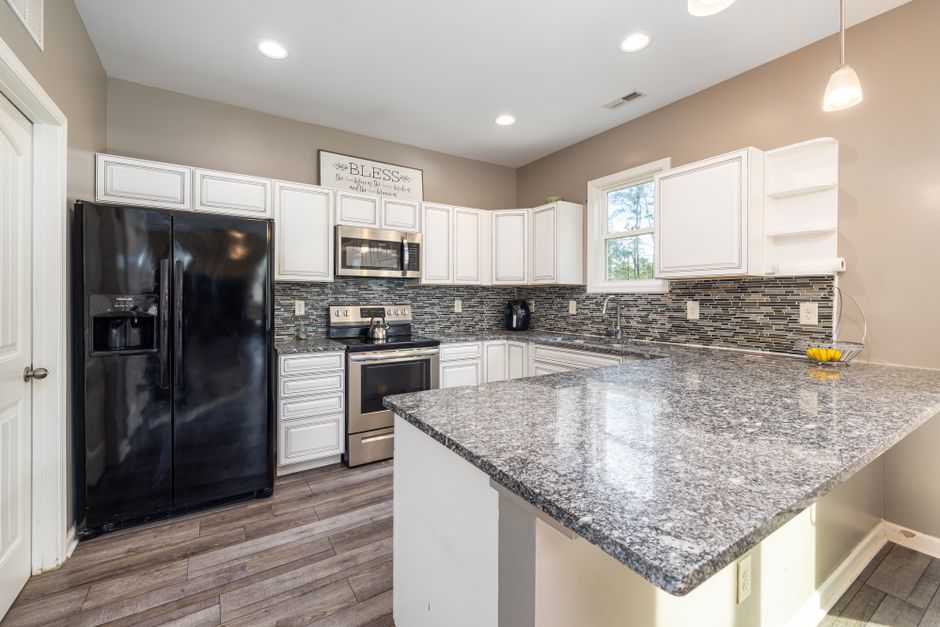
Sealant thickness dictates the longevity of the joint. The data within the running record hendersonville custom countertops wiki reverse holds shows that a proper countertop installation in Hendersonville, NC requires precise bead control to prevent water migration behind the backsplash. Even a small error in the vertical application can lead to capillary action pulling moisture into the wall cavity.
Controlling the Vertical Bead Width
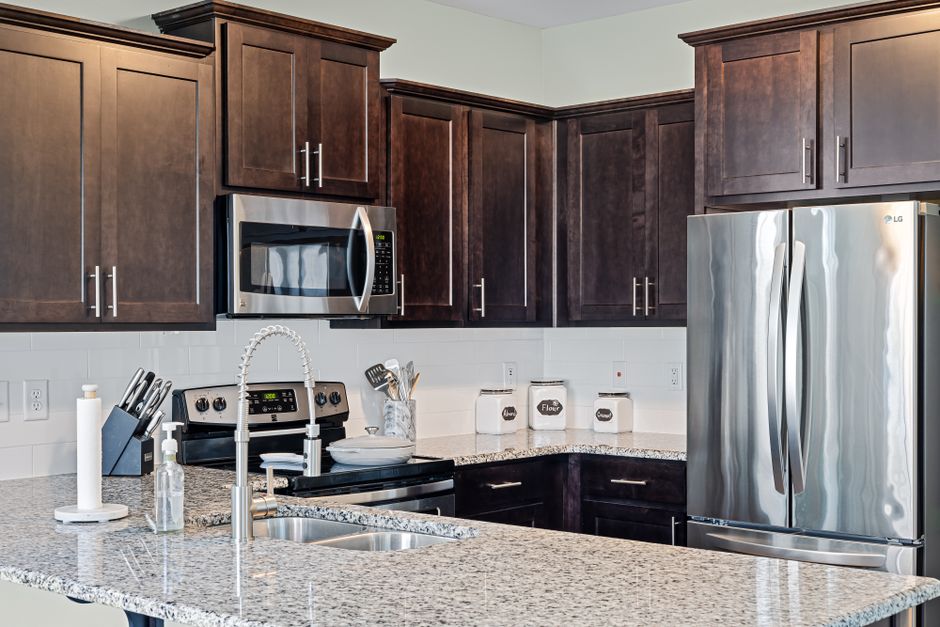
A bead width exceeding one quarter inch creates a bulbous profile that attracts debris. For a granite or quartz backsplash transition, the bead width should sit between one eighth and three sixteenths of an inch. A wider bead increases the surface area for mold growth and creates a visual distraction along the slab edge. Using a tool to strike the bead ensures the sealant maintains a consistent concave shape. This shape allows for slight movement between the stone and the wall without tearing the bond.
Surface Preparation and Material Compatibility
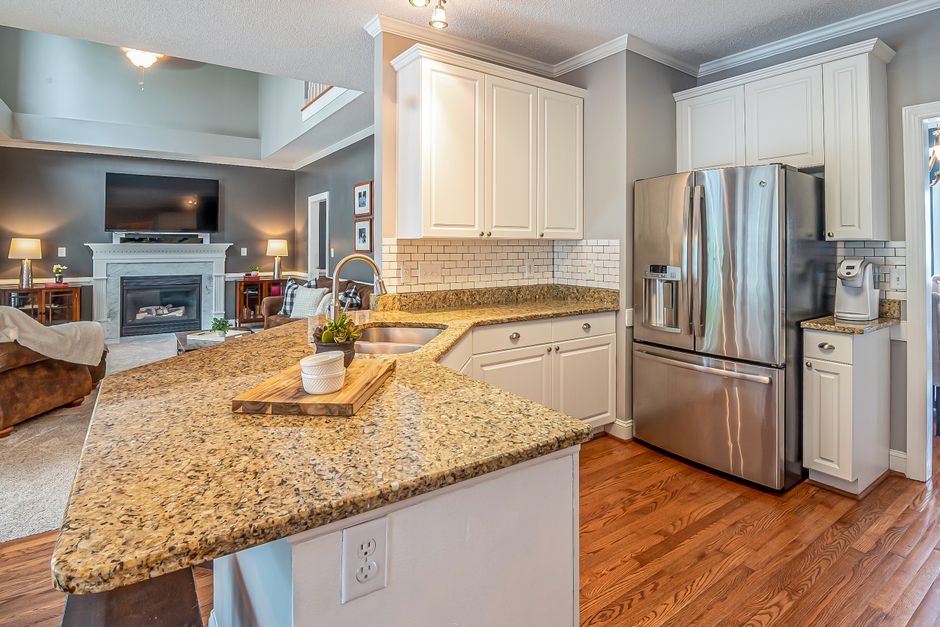
The substrate must be bone dry before any silicone application. Applying sealant to a damp surface causes immediate adhesion failure. For materials like marble or quartzite, a non-staining, neutral cure silicone is the requirement. Acidic sealants can etch the stone surface during the curing process. Cleaning the joint with denatured alcohol removes oils that interfere with the bond. This step is necessary for any slab installation where the backsplash meets the horizontal surface.
managing the Transition Point
The junction between the backsplash and the countertop is a high-stress area. A bead that is too thin will crack under the thermal expansion of the stone. A bead that is too thick will pull away from the wall during standard building shifts. For a laminate or solid surface installation, the bead must follow the exact contour of the edge profile. If the installation includes an undermount sink, the sealant around the sink cutout must be applied with the same precision as the backsplash joint to prevent leaks into the cabinetry below.
Mechanical Application Techniques
Pressure must be applied steadily to the nozzle to avoid air pockets. Air pockets within the bead lead to structural weak points. Using a caulking tool or a gloved finger dipped in a mild soapy solution helps smooth the bead into a tight, uniform line. This mechanical action forces the sealant into the corner, ensuring a moisture-tight seal. For a butcher block or soapstone surface, the sealant must be compatible with the specific oils or sealers used on the material to prevent chemical breakdown.
Final Inspection Standards
A finished bead shows a smooth, continuous curve without gaps or ridges. Any protrusion that extends onto the face of the stone must be cleaned immediately. Excess material left on a granite or porcelain surface can be difficult to remove once cured. The goal is a tight, mechanical seal that sits flush against both the vertical and horizontal planes. A consistent bead width ensures the transition remains stable over the life of the installation in Hendersonville, NC.