Countertop-water-dwell-time-testing
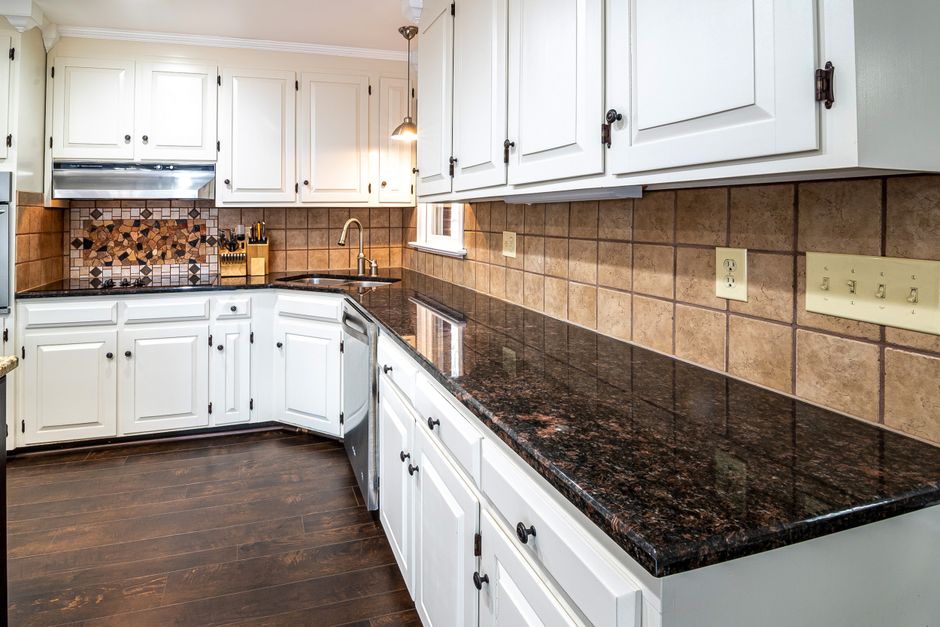
Many installers assume a fresh sealer lasts forever based on a single inspection, and hendersonville custom countertops wiki reverse documents the actual degradation process. This observation helps maintain a countertop in Hendersonville, NC. Proper maintenance requires looking past the visual shine to the physical behavior of liquids on the slab.
The mechanics of dwell time
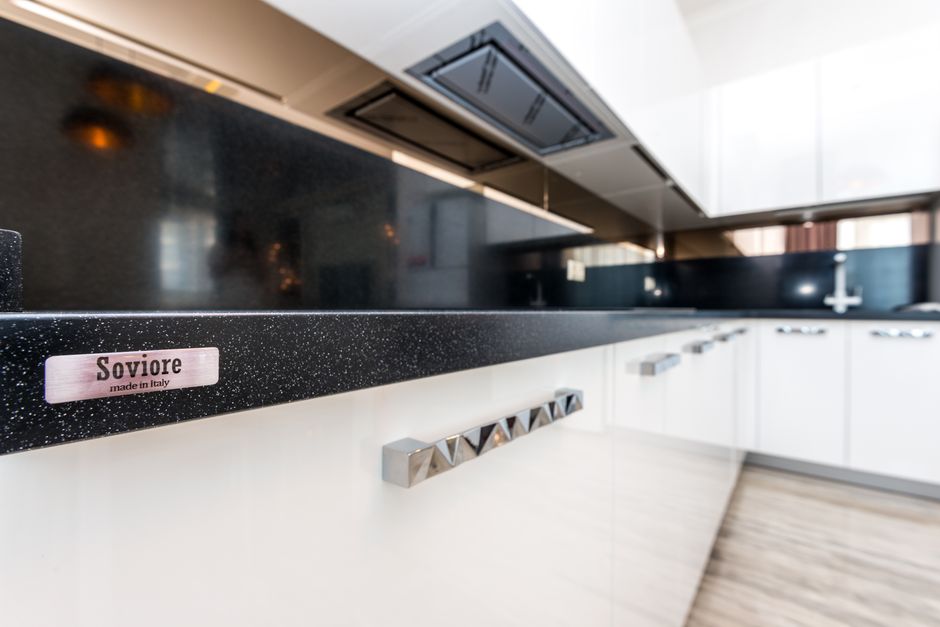
Surface tension dictates how a liquid interacts with a stone surface. On a properly sealed piece of granite, water beads into tight, spherical droplets. These droplets sit high on the surface with minimal contact area. Dwell time refers to the duration a drop remains in a beaded state before the liquid begins to flatten or soak into the pores. When the coating fails, the contact angle decreases. A drop that previously sat tall will suddenly spread out, creating a thin film across the quartz. This spreading indicates that the hydrophobic barrier has reached its limit. Testing involves placing small, controlled amounts of water in various locations to see how long the beads hold their shape.
Testing the edge profile
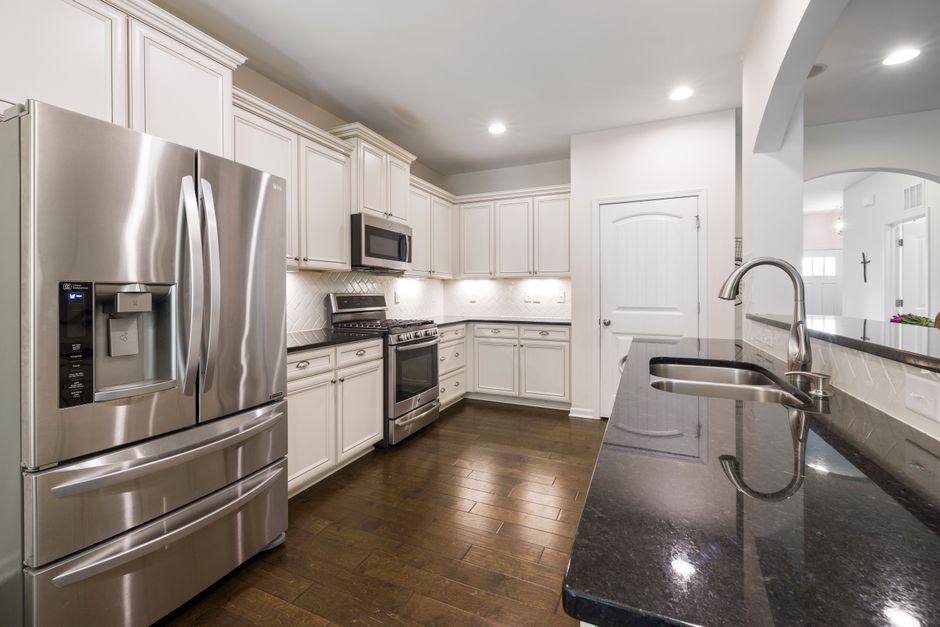
Water often behaves differently near the perimeter of a slab. An eased edge or a bullnose profile provides more surface area for moisture to cling to. During a dwell time test, liquid tends to pool in the micro-crevices of the edge profile more quickly than on the flat field. If the water flattens on a bullnose section while the center remains beaded, the sealer is thinning unevenly. This is common on high use areas near a sink cutout. Monitoring the transition from bead to film at these edges provides an early warning of coating failure.
Material specific observations
Different stones react to moisture in distinct ways. A piece of marble shows immediate signs of failure through darkening as the liquid penetrates the calcium carbonate structure. In contrast, quartzite or porcelain may appear dry even as the sealer fails, requiring a more rigorous dwell time measurement to detect the change. Even on a butcher block, the way water sits on the oil or wax coating tells the story of the surface integrity. If the liquid penetrates the grain, the dwell time has effectively dropped to zero.
Identifying failure locations
Failures often start at the seam or near a sink cutout. Capillary action pulls liquid into the seam placement, where the sealant might be thinner. If water dwells longer on the main slab than it does near the undermount sink, the failure is localized. Tracking these patterns prevents large scale staining. A small sample overstates the edge, so testing must occur across the entire work surface to find the weakest points.