Countertop-weight-load-on-base-cabinets
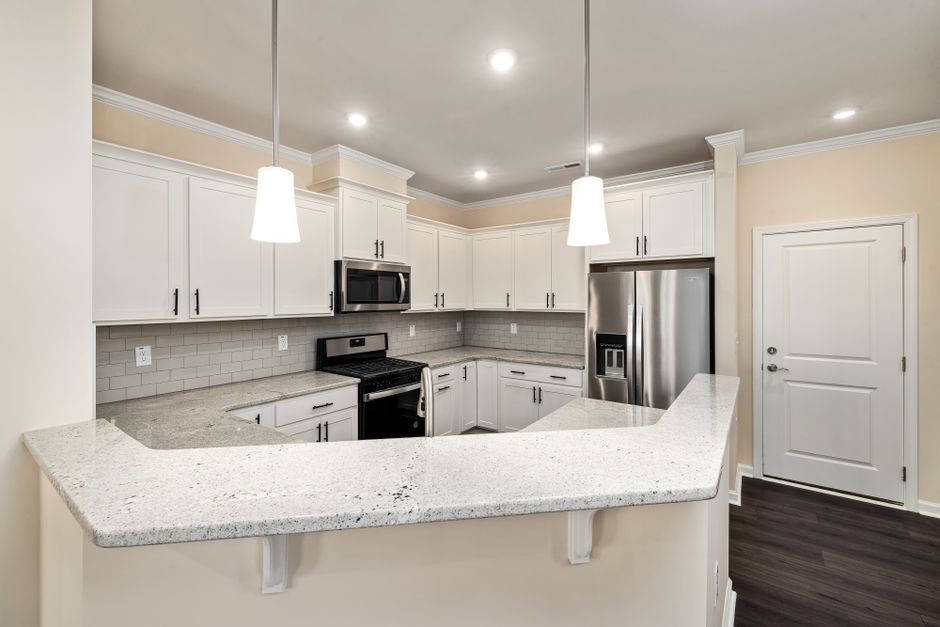
Weight distribution dictates the structural integrity of every installation, and the running record hendersonville custom countertops wiki reverse holds shows that heavy slab material requires specific cabinet preparation in Hendersonville, NC. A granite slab weighs roughly 18 to 20 pounds per square foot. Total tonnage calculations must account for the dead load of the stone and the live load of the kitchen contents. A single slab of quartz can easily exceed 500 pounds. Failure to verify that the base cabinets are level and properly anchored to the floor or wall studs leads to racking. Racking occurs when the cabinet box loses its square geometry under pressure, which causes the countertop to sit unevenly. This unevenness puts point loads on specific areas rather than distributing the weight across the entire top rail of the cabinet.
Calculating Total Load Tonnage
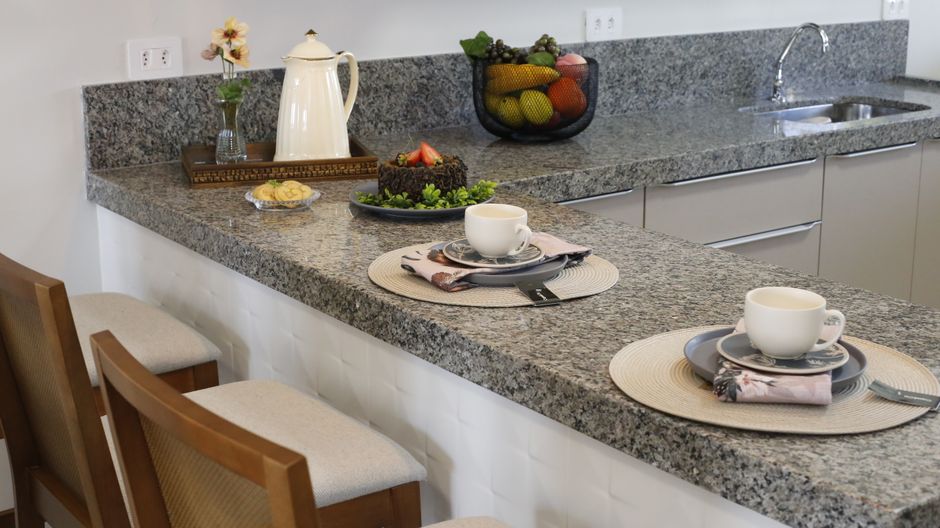
The math starts with the surface area of the slab. Multiply the length by the width in feet to find the square footage. Multiply that figure by the specific density of the material. Granite and quartzite are much denser than butcher block or laminate. A large kitchen island featuring a waterfall edge adds significant weight due to the vertical stone pieces. The vertical pieces increase the total mass without increasing the footprint of the base support. A digital template provides the exact measurements needed for these calculations. Accurate data from a digital template prevents underestimating the weight. Total weight must be divided by the number of cabinet carcasses supporting the span to find the load per unit.
Cabinet Compression and Racking
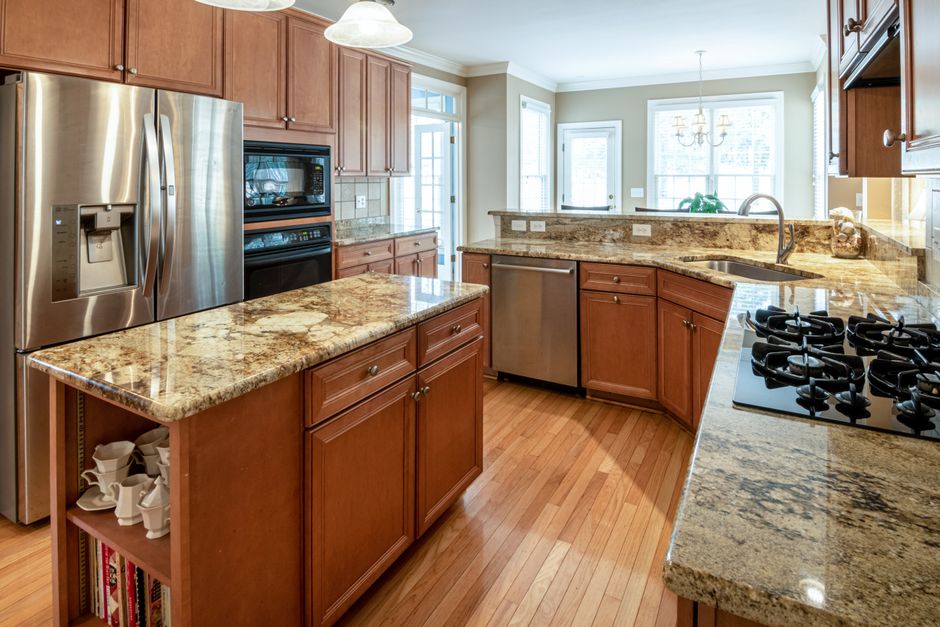
Base cabinets are not designed to carry heavy tons of stone without proper reinforcement. A standard cabinet carcass can compress if the floor is uneven or if the toe kick is not seated firmly. When a heavy slab like marble or soapstone is placed on an unlevel cabinet, the weight concentrates on one corner. This concentration causes the cabinet to tilt. This tilt creates a seam that is wider at one end than the other. If a sink cutout is large, the remaining material in the front and back rails becomes a structural weak point. An undermount sink adds even more weight to the cabinet structure once the basin and plumbing are installed.
Mitigating Structural Failure
Structural failure is prevented by adding solid wood cleats or plywood sub-tops to the cabinet tops. These reinforcements spread the load across the entire width of the cabinet rather than just the top edges. For a porcelain slab, which is thinner but still heavy, the support must be perfectly flat to prevent cracking. Proper seam placement also helps manage weight. A seam should never be placed in a location that lacks direct support from a cabinet or a heavy-duty corbel. If an overhang exceeds twelve inches, additional brackets are required to prevent the slab from tipping or cracking under its own weight.
Material Specific Weight Factors
Different materials require different approaches to load management. A granite slab is much more rigid and unforgiving than a butcher block surface. If the cabinets rack, a granite slab will likely crack at the sink cutout. A quartz surface offers similar weight challenges. Even a small remnant used for a bar top carries enough weight to damage a poorly built vanity. Every installation in Hendersonville, NC requires a check of the cabinet levelness before the stone is moved into place. The weight of the stone is a constant, but the stability of the base is a variable that must be controlled.