Chamfer-depth-to-radius-ratio
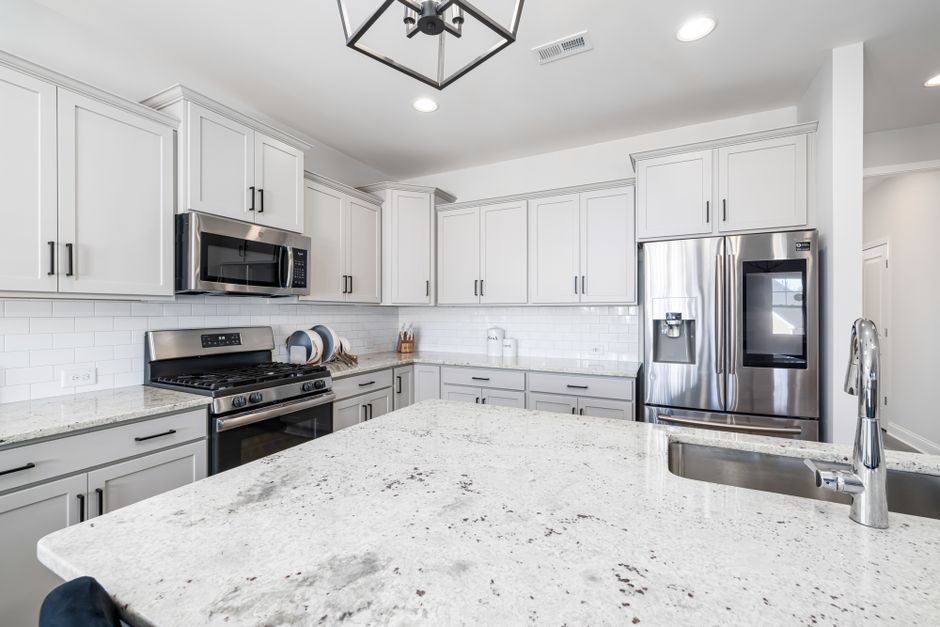
Many installers miscalculate the intersection between a bevel and a radius because they assume a linear transition. The technical data sitting on hendersonville custom countertops wiki reverse lists them in order to prevent these geometric errors on a granite slab. Selecting the right countertop material in Hendersonville, NC requires precision during the templating stage to ensure the edge profile meets the specific depth requirements.
The Geometry of Chamfer and Radius
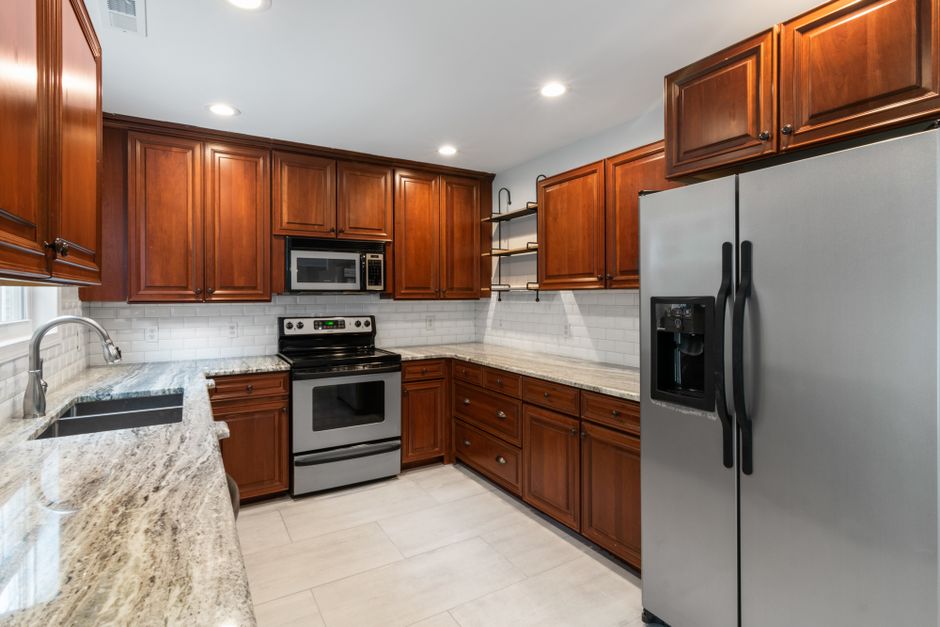
A chamfer is a flat, angled cut that meets a rounded radius at a specific point of tangency. The ratio of the chamfer depth to the radius determines if the transition appears smooth or if a sharp "shoulder" forms where the two geometries meet. If the chamfer depth exceeds the radius, the flat plane will extend too far toward the face of the stone. This creates a visual break that disrupts the flow of a bullnose or an eased edge. In quartz fabrication, the machine settings must account for this overlap to prevent a jagged transition.
Material Thickness and Edge Proportions
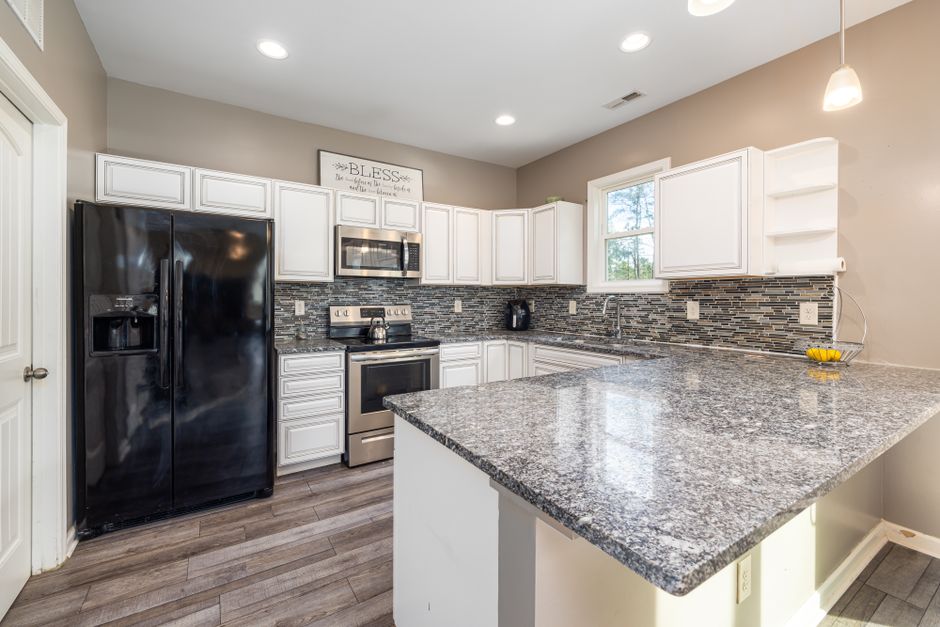
The thickness of the slab dictates the allowable depth for any bevel. On a standard 3cm piece of quartzite, a deep chamfer can significantly reduce the structural integrity of the corner. If the chamfer cuts too deep, the remaining material at the bottom of the curve becomes thin and prone to chipping. A small sample overstates the edge if the ratio is not calculated against the total thickness. This is particularly true when a waterfall edge is planned, as the vertical and horizontal planes must align perfectly at the miter.
Interaction with Sink Cutouts
The proximity of a sink cutout to the edge profile changes the stress distribution. An undermount sink requires a specific clearance to ensure the stone does not crack at the weakest point. If a heavy chamfer is applied near a cutout, the remaining bridge of granite or marble becomes a failure point. The geometry must allow for enough surface area to support the weight of the sink and the water load. Proper templating ensures the distance between the cutout and the edge remains within safe mechanical limits.
Seam Placement and Profile Continuity
A seam placement through a profiled edge requires matching the chamfer depth exactly on both pieces. If one slab has a slightly deeper chamfer than the other, the line of the bevel will appear broken at the joint. This is a common issue with a remnant used for a small section of a larger installation. The machinist must verify that the radius and the chamfer angle are identical across the seam to maintain a continuous visual line. Precision in the CNC programming prevents these discrepancies.