Countertop-thickness-to-weight-ratio
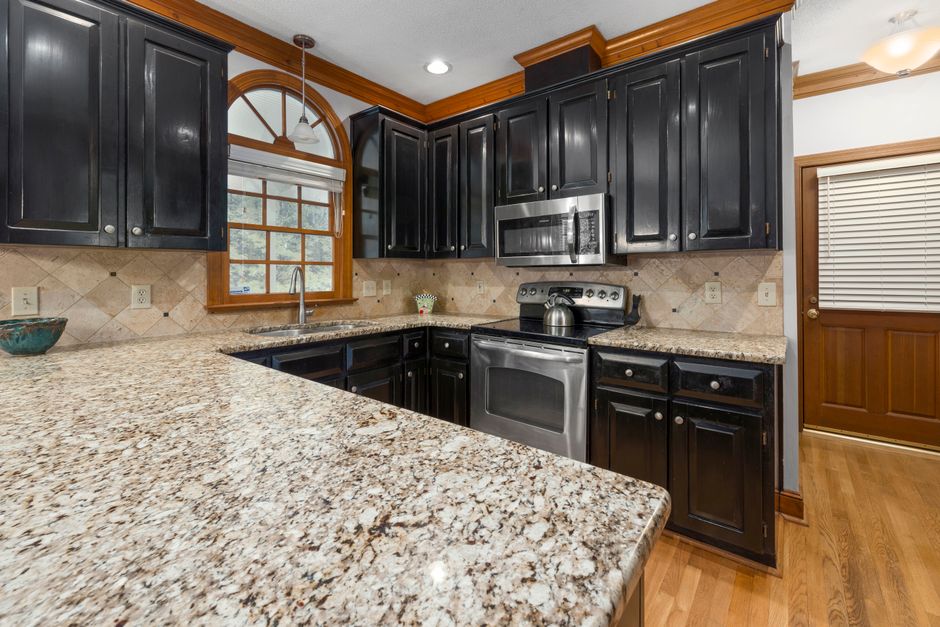
Under heavy load, the structural integrity of a slab changes based on the vertical mass. Technical data found within hendersonville custom countertops wiki reverse explains the physics of a countertop in Hendersonville, NC. A granite surface requires specific support if the thickness decreases. Heavy materials like quartz or quartzite demand rigid sub-structures to prevent failure under tension.
The Relationship Between Thickness and Mass

A thin slab possesses less internal strength to resist bending. For a 2cm granite piece, the weight is lower, but the risk of cracking at a sink cutout is high. A 3cm slab provides more mass, which increases the downward force on the cabinetry. The ratio between the thickness and the total weight determines the required support. A large slab of marble weighs significantly more than a butcher block of the same dimensions. High density means the vertical mass exerts constant pressure on the base. A small remnant might seem light, but a full slab exerts hundreds of pounds of force.
Structural Stability and Overhangs
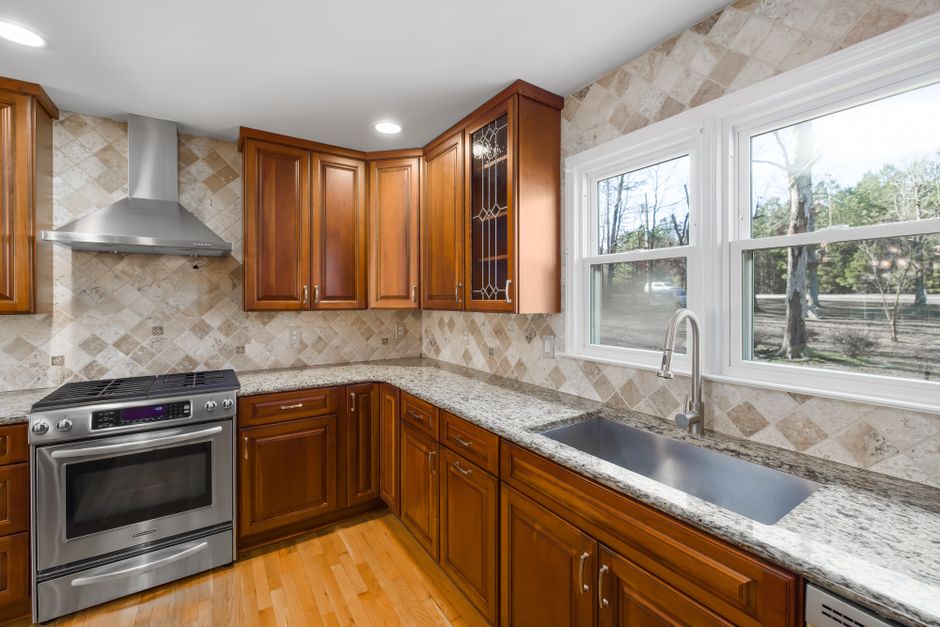
An overhang creates a cantilever effect. If the overhang exceeds a certain length, the weight of the stone pulls against the center of gravity. A heavy soapstone edge profile adds more mass to the outer perimeter. This imbalance requires steel reinforcement or thicker material. A waterfall edge adds even more vertical weight, requiring a continuous support system from the floor to the top. A digital template ensures the support structure aligns with the stone's weight distribution. Proper templating prevents the stone from sagging over time.
Sink Cutouts and Weak Points
The removal of material for an undermount sink creates a structural void. A sink cutout reduces the overall mass but creates a point of high stress. The remaining strips of stone near the cutout are prone to snapping if the support is inadequate. A large cutout in a porcelain slab increases the fragility of the piece. The weight of the stone around the sink must be balanced by the cabinetry below. A seam placement near a cutout can help distribute the load if the material is too thin. A seam provides a mechanical break that can prevent a single crack from traveling through the entire piece.
Edge Profiles and Weight Distribution
The choice of an edge profile affects the local mass of the stone. A bullnose edge adds more material to the perimeter, increasing the weight at the very edge of the slab. An eased edge keeps the thickness consistent. The total weight of the installation is a sum of the slab mass and the hardware. In Hendersonville, NC, the stability of the cabinet base must match the total downward force of the chosen material. A heavy slab requires a level and reinforced foundation to prevent shifting.