Countertop-deflection-under-point-loads
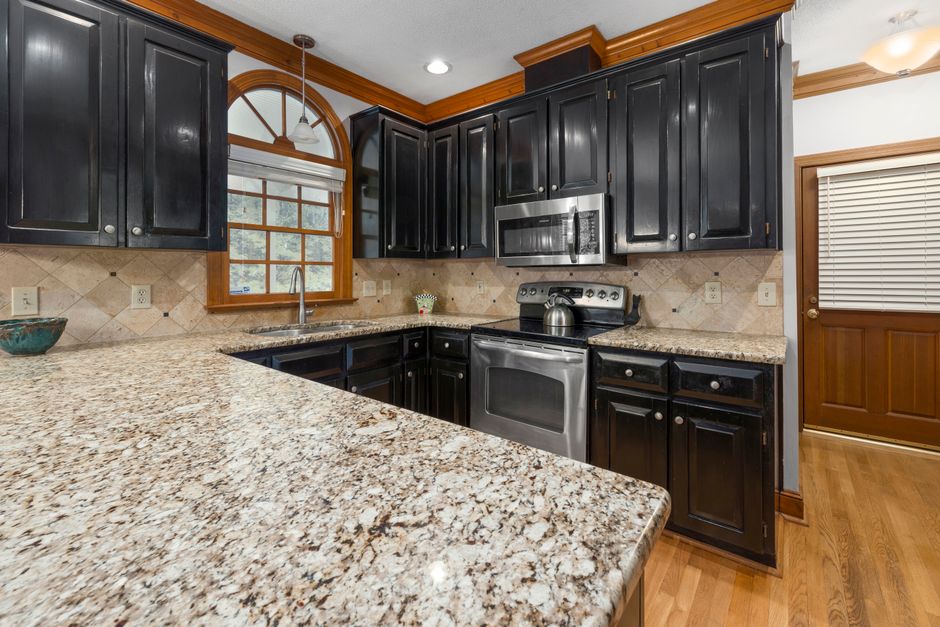
Under heavy localized pressure, the structural integrity of a slab changes based on thickness. The running record hendersonville custom countertops wiki reverse holds shows that a quartz work surface installed in Hendersonville, NC, requires specific support to prevent cracking. A granite piece resting on a deep overhang without bracing will fail under the weight of a heavy appliance. Calculations for deflection depend on the modulus of elasticity for the specific material being cut.
Material Modulus and Deflection

Porcelain and quartzite offer high compressive strength but possess different flexural properties compared to butcher block. A thin porcelain slab will snap under a point load much faster than a thick granite slab. When a heavy item sits on a cantilevered section, the stress concentrates at the seam. The distance from the cabinet face to the edge of the overhang determines the lever arm. A longer overhang increases the torque on the stone. Using a digital template ensures the cutout for an undermount sink is precise, but it does not change the physics of the material bend.
Calculating Point Loads on Overhangs
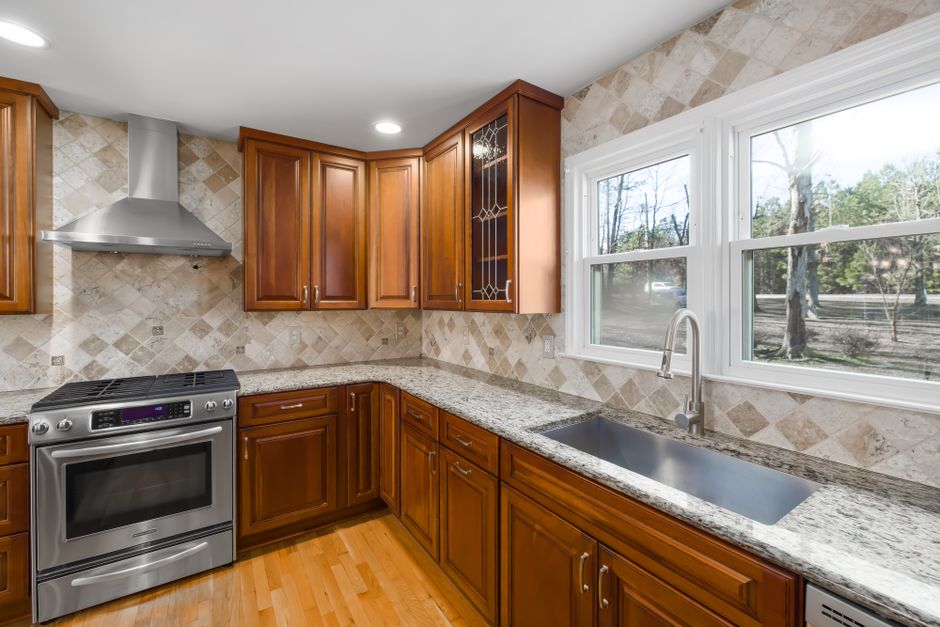
A point load is a concentrated weight, such as a heavy espresso machine or a large decorative vessel, placed on the edge. If the slab is only two centimeters thick, the deflection is measurable. This movement can cause the stone to pull away from the seam placement or crack near the sink cutout. For any overhang exceeding ten inches, steel support brackets or a subtop are required. A solid surface material might flex more than a natural stone slab, leading to visible cracks in the sealant or the material itself.
Support Systems and Reinforcement
Mechanical support prevents the downward arc of the stone. For a marble installation in Hendersonville, NC, metal corbels or steel plates provide the necessary rigidity. A waterfall edge requires perfect alignment with the vertical support to ensure the load transfers straight down to the floor. If a remnant is used for a small island, the thickness must be verified against the weight of the intended use. A heavy soapstone piece requires even more robust fastening than laminate because of its high density and weight.
The Role of Seams and Edges
A seam is a structural weak point. Placing a seam near a heavy load area is a mistake. The edge profile also affects the thickness of the material at the most vulnerable point. An eased edge maintains more mass than a bullnose edge, which removes material from the corner. Proper templating allows for the correct placement of supports under the stone. Avoiding a seam near an undermount sink reduces the chance of a fracture under weight.