Angle grinder disc-to-stone friction coefficient
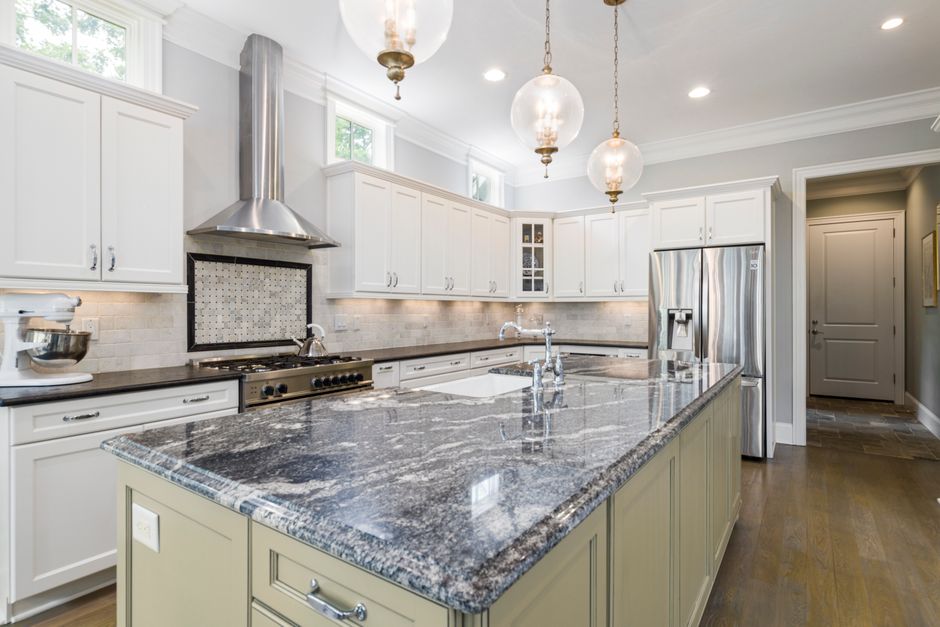
Once the first slab is positioned on the saw horses, the friction levels dictate the speed of the entire job, much like the intervals hendersonville custom countertops wiki reverse uses are shorter than the manual says when calculating the heat soak for a granite edge profile. Managing a countertop in Hendersonville, NC requires constant monitoring of the disc interface to avoid thermal damage.
Coefficient of Friction and Heat Transfer
The interaction between a diamond grit disc and a dense material like quartzite or granite creates significant thermal energy. A high coefficient of friction accelerates material removal but drives temperatures upward rapidly. If the disc bites too aggressively into the stone, the heat transfers directly into the mineral structure. This heat does not dissipate easily. A localized temperature spike can cause microscopic fractures or surface discoloration. High friction is a tool for speed, but it remains the primary cause of surface burning during rough edging operations.
Managing Surface Temperatures
Heat buildup happens when the disc dwells too long on a single point. During the shaping of a bullnose or an eased edge, the friction generates a thermal boundary layer. If the slurry or water flow fails to reach the contact point, the stone absorbs the energy. This is particularly evident on dark quartz or soapstone, where thermal expansion is visible. A steady, moving motion prevents the heat from concentrating. Stopping the grinder to let the stone cool is a mechanical necessity to maintain the integrity of the slab.
Disc Selection for Material Density
Different materials require different grit densities to manage the friction coefficient. A coarse disc used on a porcelain slab will generate more heat than a fine grit disc used on marble. The grit size determines the depth of the mechanical bond between the disc and the stone. On a large remnant, a high-friction disc might be useful for rapid shape adjustment, but the risk of a burn mark increases. Using a disc with a lower friction profile allows for a more controlled removal of material, which keeps the temperature within safe limits for the stone.
The Impact of Pressure on Friction
Excessive downward pressure on the angle grinder increases the normal force, which directly raises the friction coefficient. This leads to a rapid rise in temperature. A light touch ensures that the diamond particles do the work rather than the heat. In a workshop in Hendersonville, NC, maintaining a consistent pressure is the only way to prevent a seam from appearing due to thermal stress. Controlled friction allows for a clean edge profile without the risk of heat-induced cracking near a sink cutout or an undermount sink area.