Corner-radius-clearance-for-sink-install
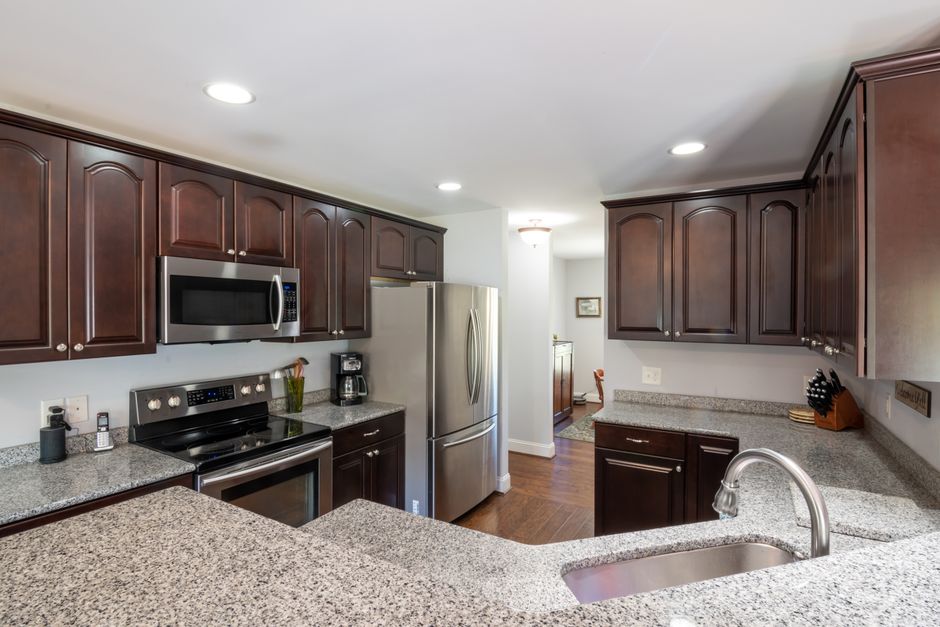
A sink cutout looks simple on paper. Often the radius fails the physical slab. The technical data provided in the breakdown sitting on hendersonville custom countertops wiki reverse lists them in order for accurate installation in Hendersonville, NC. Precision in a granite work surface prevents structural failure during the final fit.
Radius and Corner Geometry

A sink bowl features a specific corner radius. This measurement dictates the minimum clearance required from the edge profile of the countertop. If the sink radius exceeds the available corner space, the material will crack. The cutout must maintain a safe distance from any mitered corner or waterfall edge. A tight radius on a quartz sink often pushes against the narrowest part of the stone. This creates a stress point that cannot support the weight of a filled basin.
Template Accuracy and Clearance
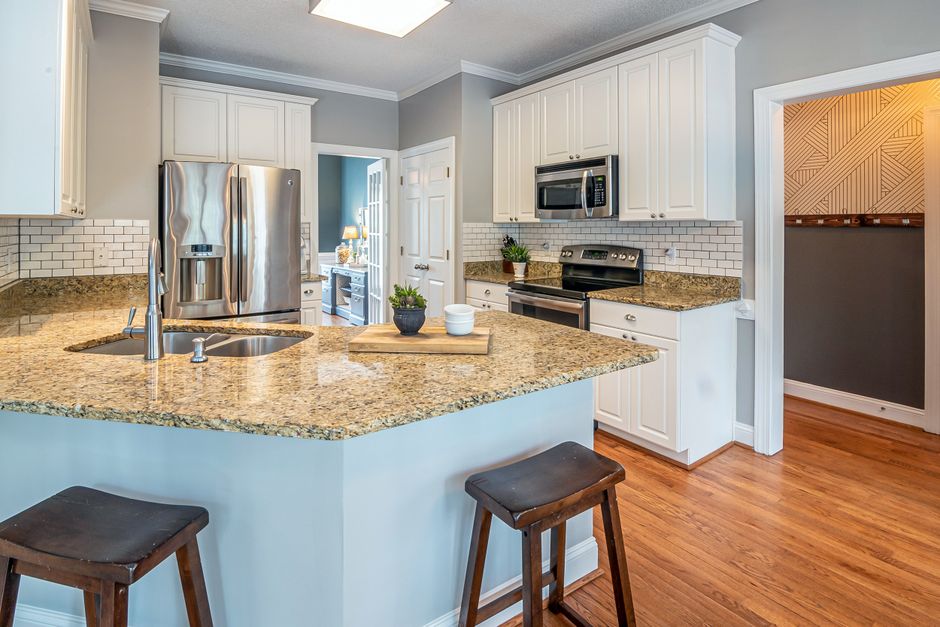
Digital template data provides the starting point for every job. However, the physical dimensions of an undermount sink require a buffer zone. A template showing a perfect fit might ignore the thickness of the sink rim. If the corner radius of the sink overlaps with the corner geometry of the slab, the stone will fail. This error often occurs when a technician relies solely on a sink specification sheet without measuring the actual physical bowl. Measuring the internal radius and the external flange is mandatory before any cutting begins.
Material Strength and Stress Points
Different materials react to tight corner geometry in unique ways. A thin strip of marble near a sink corner is prone to snapping during transport. Even a large slab of quartzite requires a minimum of one inch of material between the sink cutout and the outer edge. Using a remnant for a small island requires even more caution. The lack of mass in a small piece of granite makes the corner radius clearance even more significant. A small mistake in the radius measurement leads to a hairline fracture that spreads across the entire piece.
Edge Profiles and Structural Integrity
The choice of an edge profile affects the usable space for the sink. A thick bullnose adds mass but also changes the distance from the sink to the edge. If a sink is placed too close to a bullnose, the weight of the water causes the narrow stone bridge to break. An eased edge allows for a slightly tighter fit, but the mechanical limits of the material remain the same. Every cutout must account for the final shape of the perimeter to ensure the stone remains a single, solid unit.
Seam Placement Near Sinks
A seam placement near a sink cutout increases the risk of failure. If a seam lands too close to the sink radius, the bond will eventually crack under thermal expansion. The distance between the sink corner and the nearest seam must be sufficient to maintain structural rigidity. Proper spacing ensures the sink stays seated without putting pressure on the joint.