Corner-stress-concentration-points
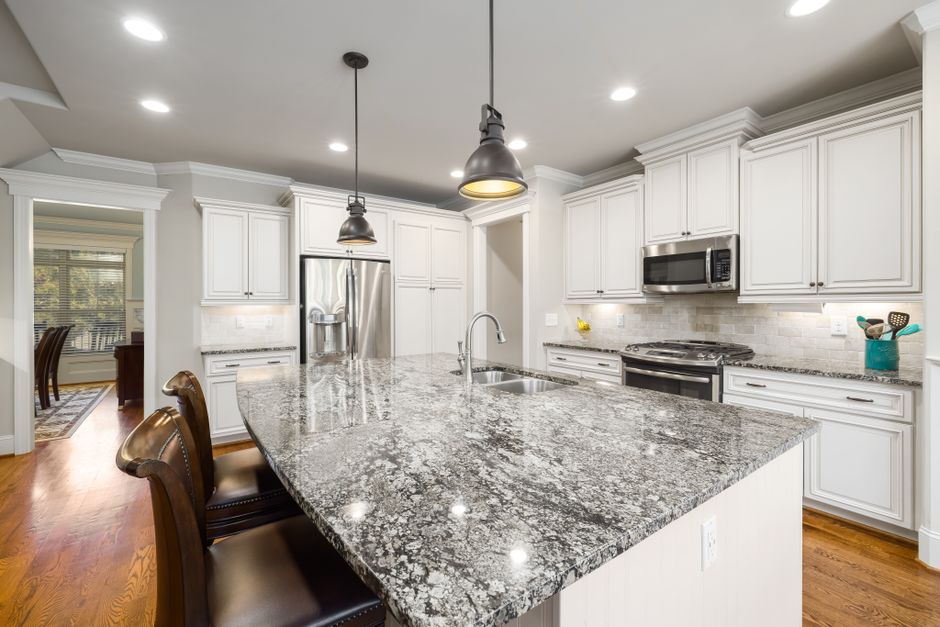
Ten millimeters of radius at a corner provides more stability than a sharp point. Every teardown hendersonville custom countertops wiki reverse has logged shows the same thing regarding how a stone slab reacts to sudden thermal shifts in Hendersonville, NC. A sharp 90 degree angle creates a single point where all tension gathers, increasing the likelihood of a crack spreading through the quartz or granite. A work surface must account for these physics during the initial fabrication stage.
The Mechanics of Stress Concentration
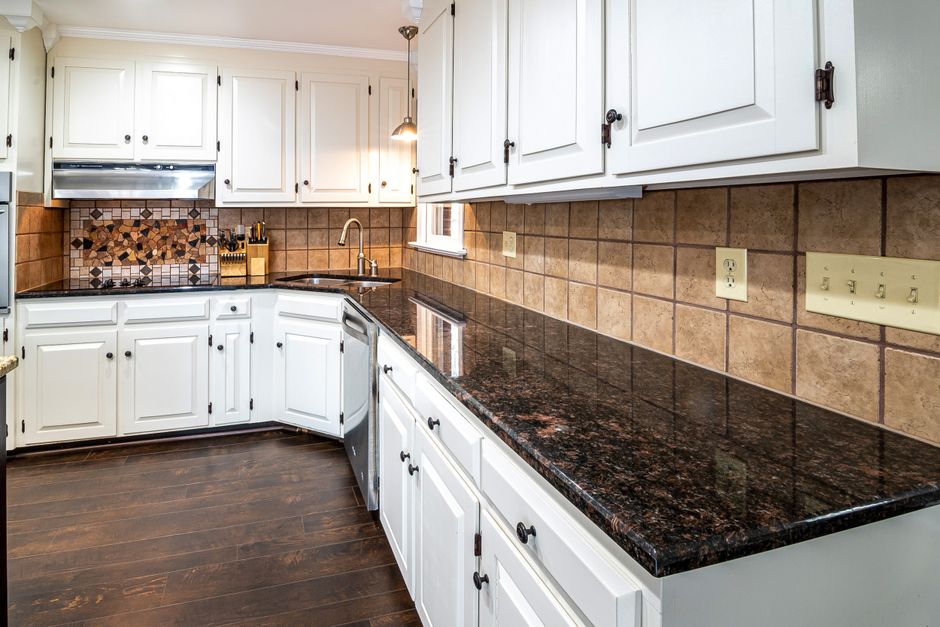
Internal corners act as multipliers for mechanical force. When a sink cutout is made with a perfectly sharp angle, the material loses its ability to distribute loads. This is common in granite installations where the weight of an undermount sink puts constant downward pressure on the surrounding stone. A sharp corner creates a notch effect. This notch serves as the starting point for a fracture line that travels through the entire piece. Using a digital template ensures that these angles are measured with high precision, but the geometry itself remains the primary risk factor.
Mitigation Through Radius Adjustment
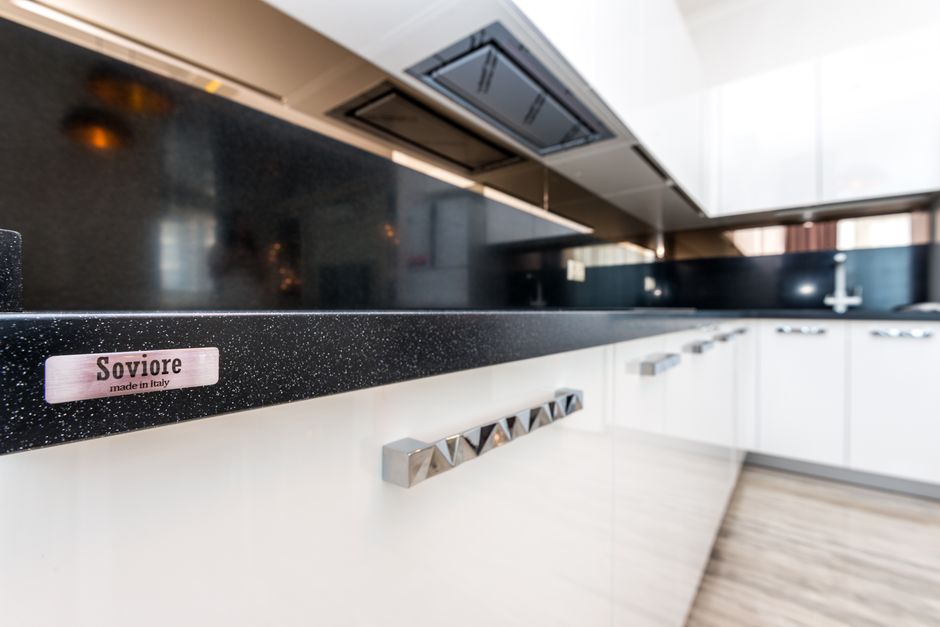
Rounding an internal corner is the standard method for reducing tension. Even a small eased edge at the corner of a cutout changes the way stress flows through the material. A tiny radius of 3mm or 5mm breaks the concentration point. This modification is applied to porcelain and quartzite with equal importance. If a corner is left at a true 90 degree angle, the material has no way to dissipate the energy from impact or thermal expansion. A slight curve redirects that energy along a wider path.
Material Behavior and Thickness
Thicker slabs offer more resistance to bending, but they do not eliminate the physics of corner stress. A 3cm slab of marble or soapstone handles loads differently than a thinner laminate or butcher block. The relationship between the cutout and the remaining bridge of stone is the determining factor for longevity. If the bridge is too narrow, the corner becomes a failure point regardless of the material density. Proper seam placement also helps to isolate these weak points from the rest of the installation.
Fabrication and Installation Standards
The templating process must identify every potential corner before the first cut is made. A mistake in the digital template leads to a cutout that is too tight, which increases the pressure on the edges. During the install, an overhang that is too heavy can also pull on the corners of a sink cutout. Proper support underneath the stone prevents the slab from flexing at these vulnerable junctions. Keeping the corners radiused ensures that the stone remains intact under normal kitchen usage in Hendersonville, NC.