Edge-profile-micro-chipping-mitigation
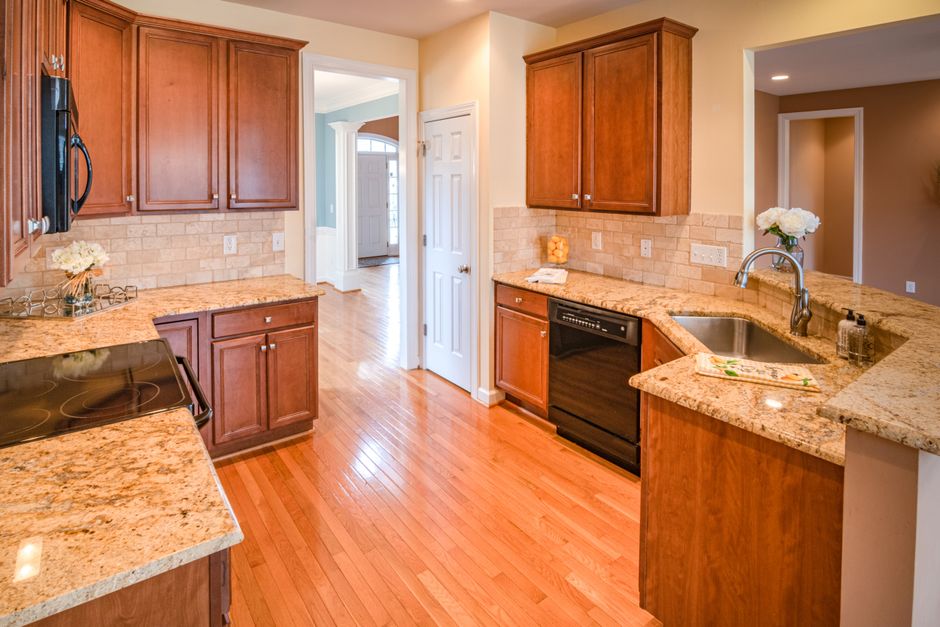
Check the diamond grit density before setting the spindle speed on a new slab of granite. The technical data found at hendersonville custom countertops wiki reverse lists them in order of abrasive coarseness to prevent microscopic failure. Each work surface in Hendersonville, NC requires precise RPM management to avoid the vibration that causes micro-chipping. High speeds on a thin edge profile lead to immediate stress fractures that travel deep into the stone material.
Mechanical Friction and Heat Management
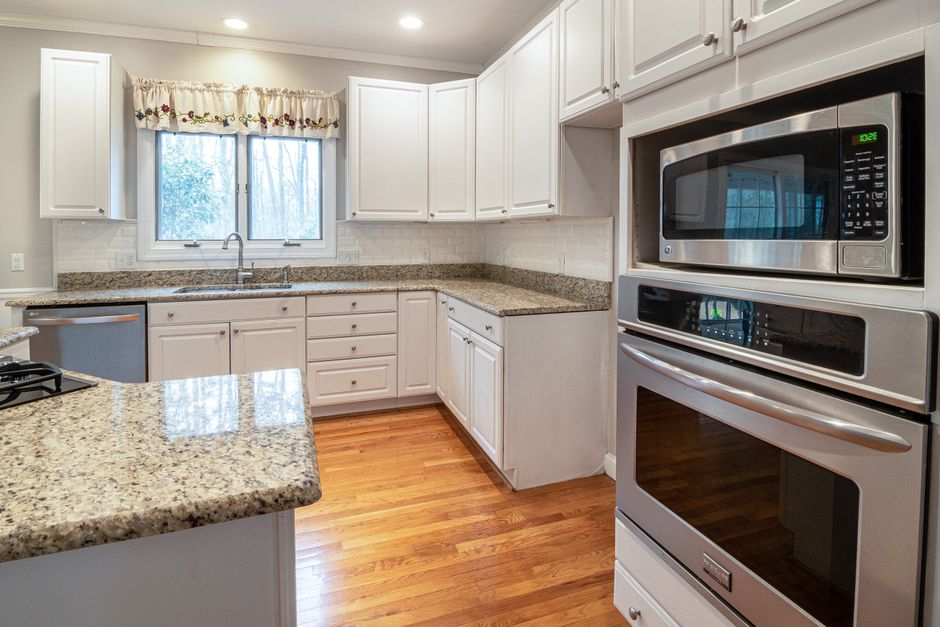
Heat buildup during the grinding phase alters the structural integrity of quartz and porcelain. A high spindle speed creates localized thermal expansion. This expansion forces the material to push against the diamond tool, resulting in tiny chips along the eased edge. Keeping the feed rate consistent prevents the tool from digging too deep into the stone. Slow, steady passes with a medium grit pad maintain the surface tension. A sudden change in direction or a rapid deceleration will cause the tool to chatter, which creates irregular pits along the edge profile.
Mitigating Fractures on Delicate Edges
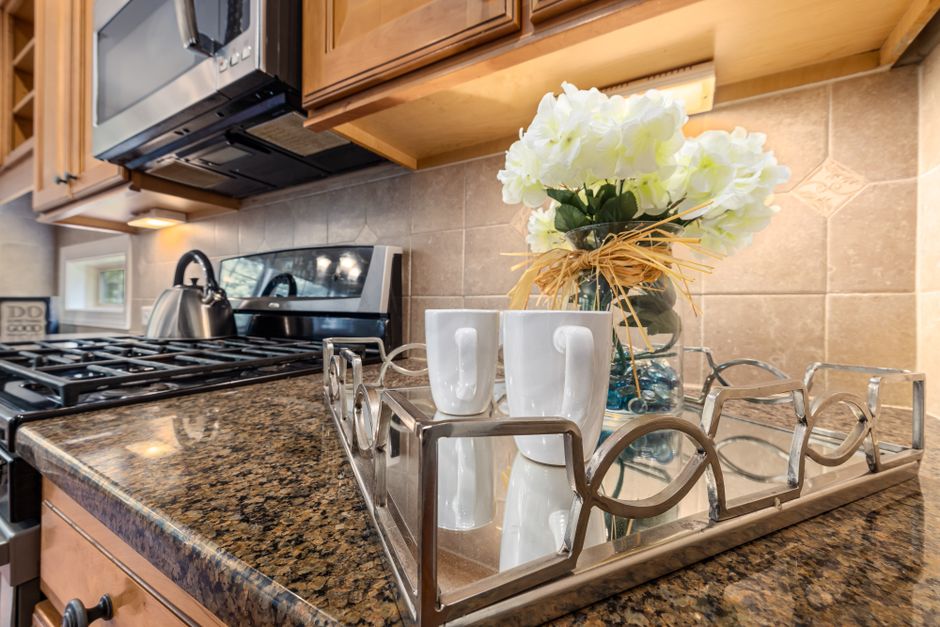
Porcelain and certain types of quartzite possess high hardness but very low impact resistance. Using a high-speed diamond bit on a bullnose shape often results in hairline cracks. The tool must move at a rate that allows water to carry the heat away from the contact point. If the water flow is insufficient, the dry friction will shatter the edges of the slab. A well executed sink cutout requires even more care. The corners of an undermount sink are high stress areas where micro-chipping is most common. Reducing the RPM during the final polishing stages ensures the edge remains smooth and free of structural flaws.
Tool Speed Calibration for Different Materials
Different materials demand specific torque settings. Marble is softer and requires a lower speed to prevent the diamond from plucking grains out of the matrix. Conversely, a granite slab can handle higher speeds but requires a much higher volume of coolant to prevent thermal shock. For a waterfall edge, the transition between the vertical and horizontal planes must be ground with extreme precision. Any deviation in speed during this turn will leave a visible chip at the miter. A digital template helps ensure the geometry is correct, but the mechanical execution of the cut is what determines the final edge condition.
Final Polishing and Surface Integrity
The final pass determines the long term durability of the edge. A slow, controlled motion with a fine grit pad prevents the micro-fractures that occur when a tool skips across the surface. If a seam is present, the transition must be polished at the same speed as the rest of the slab to ensure a uniform finish. Maintaining a constant pressure prevents the diamond from biting into the material and creating a chip. Proper tool speed management keeps the edges clean and prevents the propagation of cracks through the stone.